
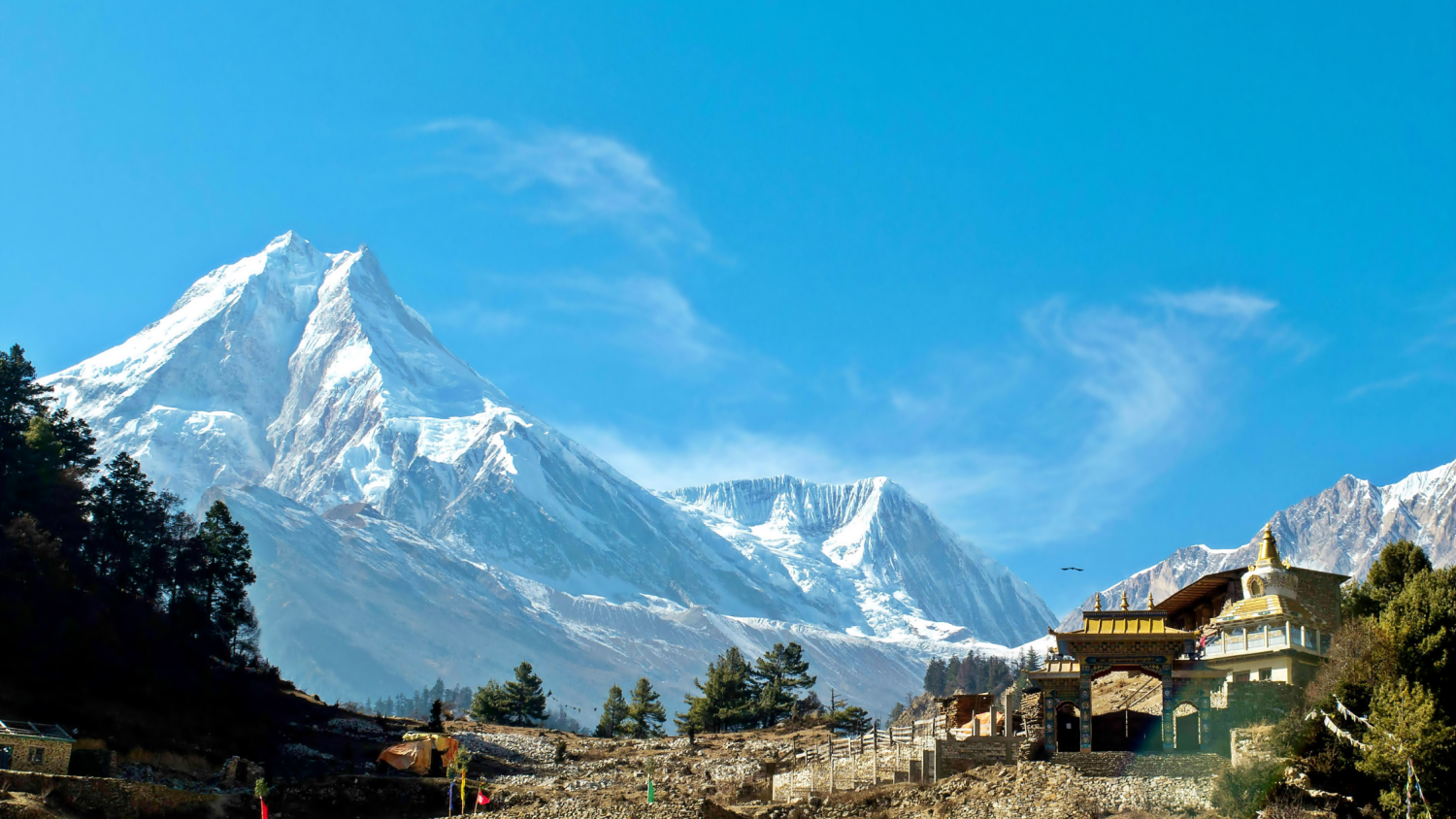
Nepal is a paradise for trekkers, offering everything from snow-capped giants and serene valleys to desert-like landscapes and remote mountain passes. But to make the most of your trek, it's important to know the best time to trek in Nepal, especially because the weather can vary drastically by region.
In this guide, we’ll explore the ideal trekking seasons for Nepal’s most famous trekking areas: Everest, Annapurna, Langtang, Mustang, and Manaslu. Whether you're chasing epic views, blooming rhododendrons, or dry monsoon escapes — we’ve got you covered.
Everest Region – Best Time: Spring (March–May) & Autumn (September–November)
About the Region:
The Everest Region (Khumbu) is home to some of the most dramatic scenery on Earth. Towering peaks like Mount Everest (8,848m), Lhotse, and Ama Dablam dominate the skyline. You’ll pass through legendary Sherpa villages like Namche Bazaar, ancient monasteries like Tengboche, and reach highlights like Everest Base Camp, Kala Patthar, and Gokyo Ri.
Best Times:
- Spring (Mar–May):
Clear mornings, mild weather, and blooming rhododendrons in lower altitudes. - Autumn (Sep–Nov):
Crisp skies, best visibility of Everest and the surrounding giants. This is the most popular season.
Avoid:
- Monsoon (Jun–Aug): Lukla flights often get delayed or canceled due to poor visibility.
- Winter (Dec–Feb): Freezing temperatures; many teahouses close above 4,000m.
Langtang Region – Best Time: Spring (March–May) & Autumn (September–November)
About the Region:
Nestled north of Kathmandu, the Langtang Valley offers stunning alpine scenery, ancient Buddhist culture, and proximity to Langtang Lirung (7,227m). You’ll pass through yak pastures, glaciers, and peaceful villages like Kyanjin Gompa. Bonus: It’s less crowded than Everest or Annapurna.
Best Times:
- Spring: Trails are quiet, and the forested sections bloom with flowers.
- Autumn: The skies are the clearest, and the views of snow-covered peaks are breathtaking.
Avoid:
- Monsoon: Landslides and slippery trails are common in the narrow valleys.
- Winter: Snow can block access to high points like Kyanjin Ri and Tsergo Ri.
Mustang Region – Best Time: Summer (June–August)
About the Region:
The Mustang Region, especially Upper Mustang, is a rain-shadow zone bordering Tibet. The landscape is vastly different from other parts of Nepal: think desert canyons, ancient cave dwellings, and Tibetan-influenced Buddhist culture. The walled city of Lo Manthang feels like a forgotten kingdom.
Best Times:
- Summer (Jun–Aug):
While the rest of Nepal is drenched in rain, Mustang stays dry — perfect for exploring its barren, colorful cliffs and monasteries. - Spring/Autumn: Also good but colder. You may encounter windy afternoons.
Avoid:
-
Winter (Dec–Feb): Harsh cold. Most villages shut down as locals move to lower altitudes.
Annapurna Region – Best Time: Spring (March–May) & Autumn (September–November)
About the Region:
The Annapurna region is Nepal’s most diverse trekking area. From the Annapurna Circuit to Annapurna Base Camp (ABC), Poon Hill, and Mardi Himal, you’ll see rice terraces, high passes, glaciers, and iconic peaks like Machhapuchhre (Fishtail) and Annapurna I.
- Poon Hill (3,210m): A short trek with one of Nepal’s best sunrise viewpoints.
- ABC (4,130m): A stunning amphitheater surrounded by massive peaks.
- Annapurna Circuit: Crosses the Thorong La Pass (5,416m), one of the highest trekking passes in the world.
Best Times:
- Spring:
Blooming rhododendrons and warm temperatures — perfect for ABC and short treks. - Autumn:
Dry weather and crystal-clear skies. Best time for the full circuit trek.
Avoid:
- Monsoon: Trails can be muddy and dangerous due to landslides.
- Winter: ABC and Thorong La can be inaccessible due to snow.
Manaslu Region – Best Time: Autumn (September–November) & Spring (March–May)
About the Region:
The Manaslu Circuit is an adventurous and remote trek that circles Mount Manaslu (8,163m) — the 8th highest mountain in the world. The route takes you through Buddhist villages, suspension bridges, and across the Larkya La Pass (5,160m).
Best Times:
- Autumn:
Best weather and trail conditions. Forests are golden, and views are unbeatable. - Spring:
Fewer trekkers and lovely wildflowers along the trail. But snow might still linger on the pass.
Avoid:
Monsoon: High risk of landslides and flooding in remote areas.
Winter: The Larkya La Pass is often closed due to snow.
Summary Table: Best Time to Trek in Nepal by Region
How to Choose the Best Season for You
- Want greenery and flowers? → Go in Spring
- Want clear skies and amazing views? → Choose Autumn
- Hate crowds? → Consider Winter or less-traveled routes like Langtang or Manaslu
- Planning a summer trek? → Mustang is your best bet
Plan Your Trek with Nepal Himalayas Trekking
At Nepal Himalayas Trekking, we don’t just take you trekking — we guide you to the right place at the right time.
- Custom trekking itineraries for all seasons
- Local experts who know the trail conditions and weather
- Safety-first planning and flexible options for solo, group, or family treks
Ready to trek in Nepal in 2025?
Contact us or check our popular treks now!
The best time to trek in Nepal depends on where you want to go and what kind of experience you're looking for. With a little planning, you can match your perfect season to the region that offers exactly what you need — whether that’s views of Everest, peaceful trails in Langtang, or a summer escape in Mustang.
Pick your season, pack your bag, and get ready to experience Nepal from the trail.

.png)


